Our inspection AI generates and verifies its own training data, so new asset classes go live in days at zero labeling cost to you. Fully air-gapped: the entire pipeline runs inside your own network, and our on-prem verifier outperforms a leading cloud model on grid inspection.
Your drone footage already has the answers.
Nobody is reading it.
Three phases. Zero customer labeling. On-premises or in your own cloud environment.
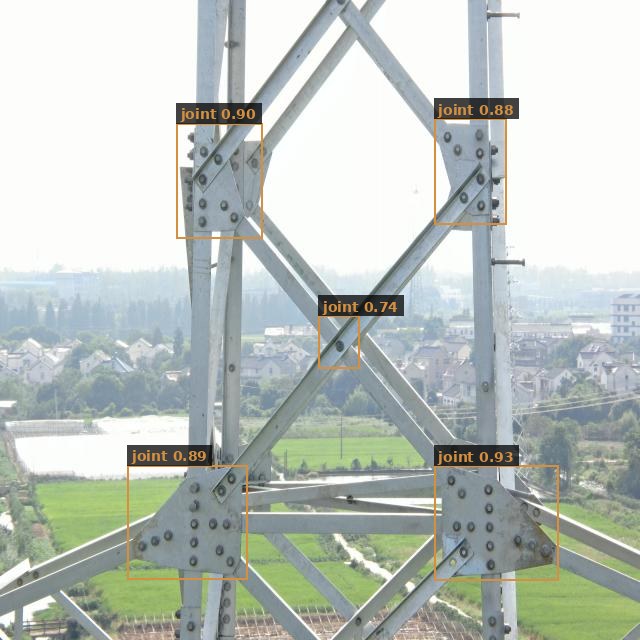
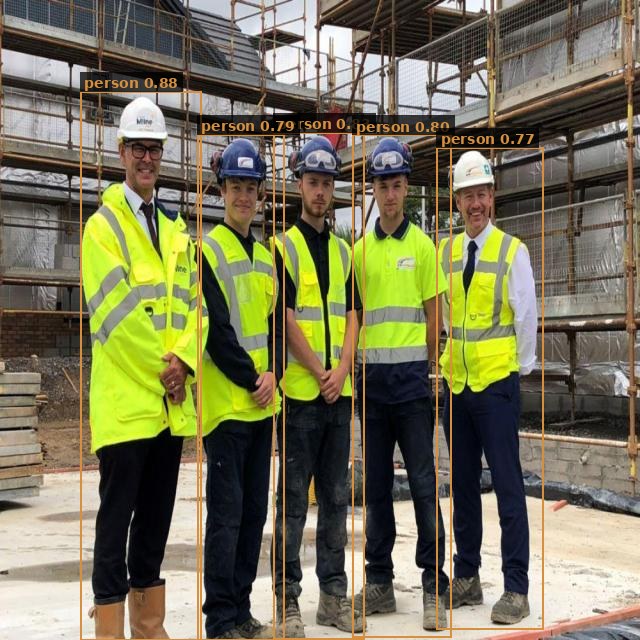
Upload imagery. Get a GIS-ready inventory: 9 classes, 81% mAP@0.50. No labeling work from your team, ever.
A brand-new asset class onboarded in days, with zero customer labeling. The system detects, verifies, and self-labels it at 87–90% precision. No labeling work from you, and none of the months-long labeling projects competitors need.
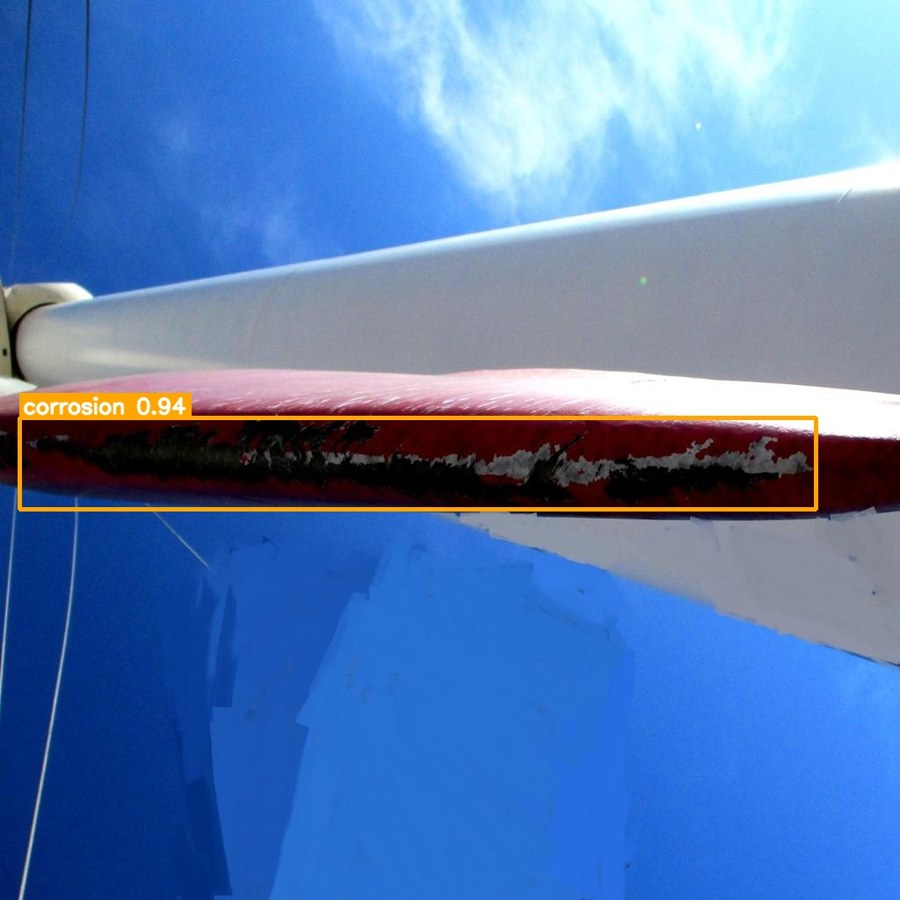
Anomalies flagged with confidence scores. Work orders and NERC evidence packages generated autonomously.
Standard assets, novel classes, and defects — detected, self-improved, and delivered straight into the systems your team already uses.
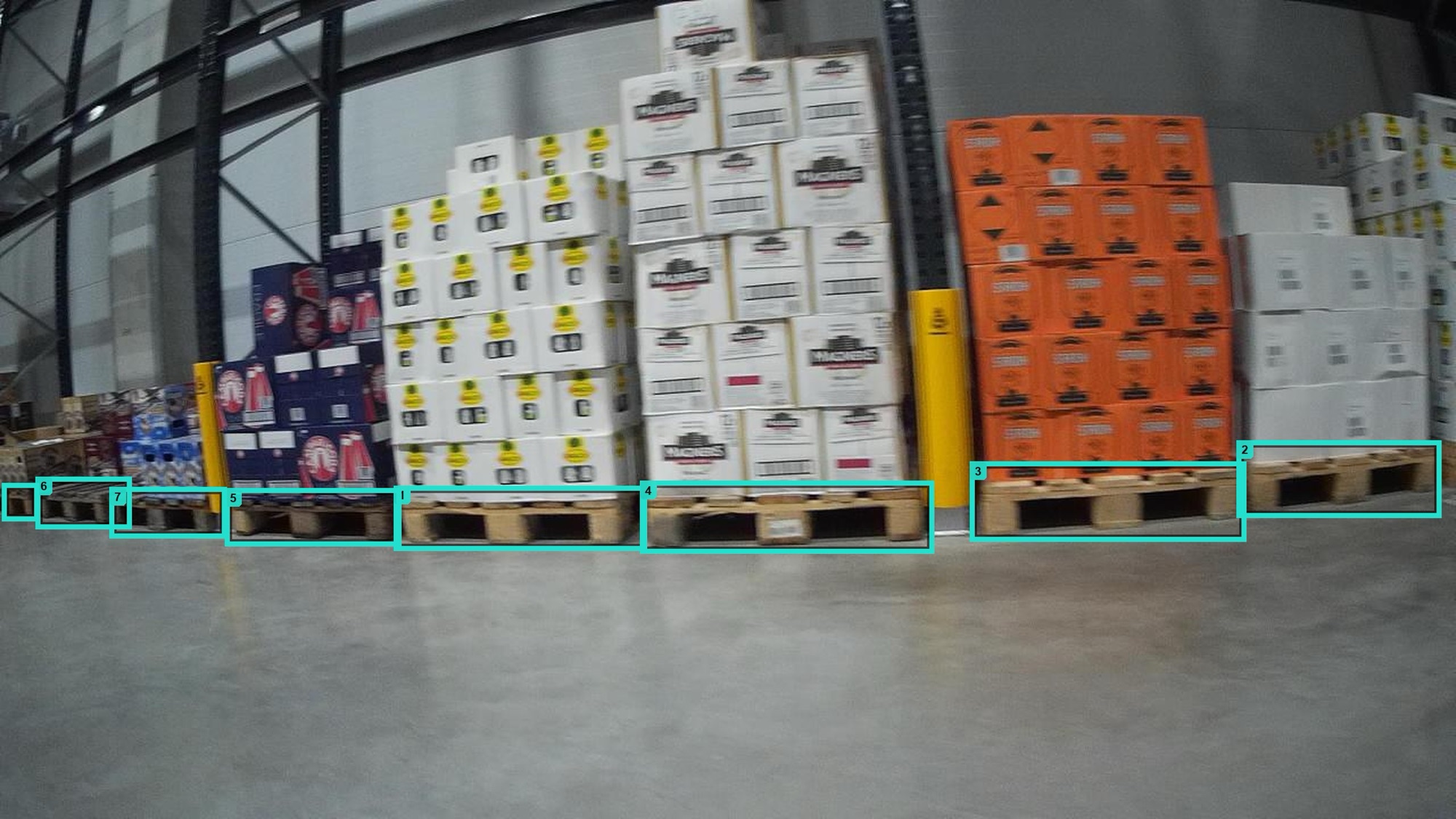
Off-the-shelf models score around 8% on aerial grid imagery. That is why every serious player has to train. The real question is what that training costs, and what happens to the model after it ships. Our production system: 81% mAP@0.50 (63.4% at the stricter COCO 0.50:0.95 average) on real EPRI Circuit 5 data. Held-out evaluation, mAP@0.50: Pole 97% · Transformer 94% · Crossarm 89% · Insulator 84% · Conductor 83% · Fuse 80%.
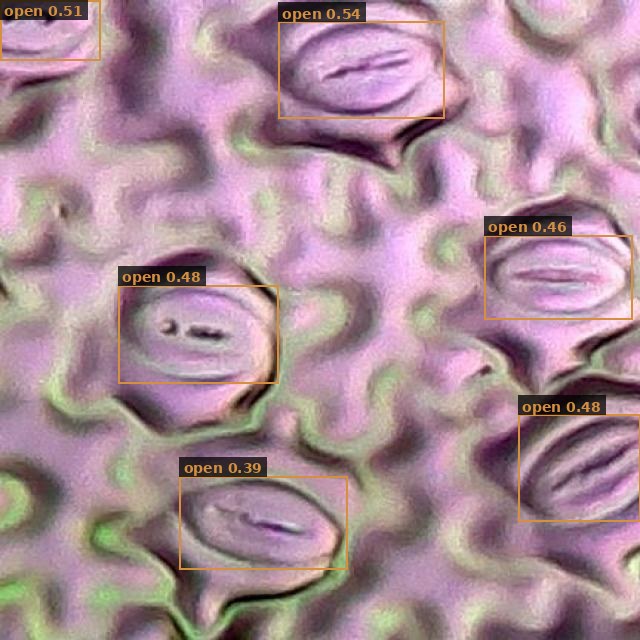
The system bootstraps a brand-new asset class from ~40 seed examples it generates and verifies itself — reaching 92% of a fully hand-labeled detector's accuracy — and adding it never costs you accuracy on the classes you already run. Your team labels nothing, ever. Competitors need thousands of hand-drawn boxes and months of onboarding; you upload imagery and get results.
Detection writes natively into Esri ArcGIS, Hexagon, or any OGC-compatible platform. No parallel system. No export pipeline. No new infrastructure.
Everyone else's inspection AI phones home to the cloud for the hard part: verifying what it found. Ours doesn't. Our air-gapped verifier outperforms a leading cloud model on our domain (F1 0.80 vs 0.71), with nothing leaving your network. The full pipeline, including AI-based verification, runs inside the utility's own NERC CIP boundary with zero external calls, on-premises or in your own cloud environment. BCSI compliant. The only inspection AI you can actually run inside a substation.
NERC FAC-003 evidence packages generated autonomously from detection output. Days of manual preparation collapse to minutes — every inspection, automatically documented.
Buzz Solutions and AiDash both fine-tune models on customer-labeled data. That means every new asset class is a new labeling project the utility pays for, and every deployed model begins decaying the day it ships. We are architecturally different: our system generates and verifies its own training data. The difference is not a benchmark score. It is who pays to expand coverage, and what happens to accuracy after deployment.
With label-dependent vendors, every new asset class means a labeling project on the utility's budget and timeline. Our system generates and verifies its own training data, so new asset classes onboard in days at zero labeling cost to the customer.
A model trained on a fixed, hand-labeled dataset starts drifting from field conditions the day it ships, and the fix is another labeling round. Our deployed models feed the same self-labeling loop they were built with, so accuracy improves with every flight rather than degrading.
The full pipeline, including AI-based verification, runs inside the utility's own NERC CIP boundary with zero external calls. It deploys on-premises or in the customer's own cloud environment. Cloud-dependent vendors cannot match this.
Same category. Different economics.
Self-improvement isn't a script — it's an autonomous agent that reads every model result and diagnoses the root cause: a model problem, or a data problem? If it's the model, the agent tunes hyperparameters, reads the latest research papers, and updates the model itself. If it's the data, it triggers the auto-label flywheel to harvest and self-verify new training examples. Proven, not promised: the flywheel has recovered a novel class's missing detections on its own — lifting its accuracy with zero new labels. All on-premises, overnight, with zero action from your team.
No GIS exports required. No SCADA access. No 90-day onboarding project. Start with what you already fly.
New asset class onboarded in days, not the months competitors need. Proven on the EPRI benchmark: capacitor banks and junction boxes detected at 87–90% precision with zero customer labeling.
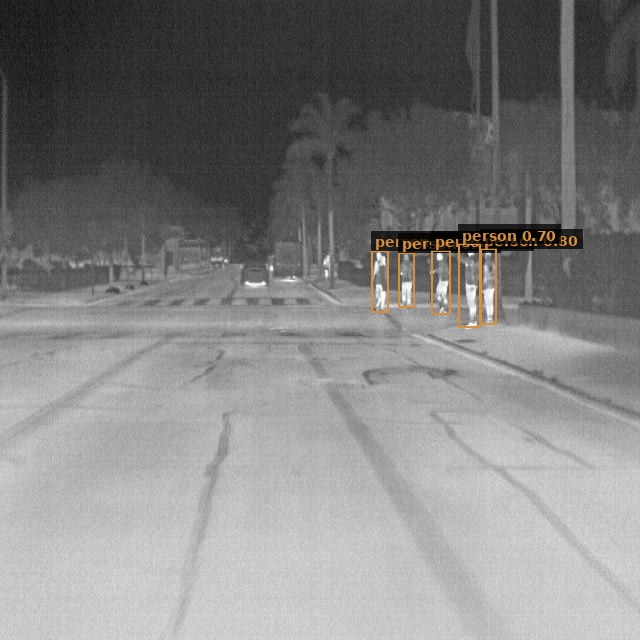
Restoration is gated by a manual, daylight-only patrol of every de-energised circuit mile.
A decade building production AI at scale: geospatial ML platforms at TomTom serving 500M+ users, co-founder and CTO of a US VC-backed technology company, and a published authority on deep learning.
100 images. 14 days. A structured asset inventory — no labeling, no infrastructure change, no commitment.
umang@visorvolt.ai · visorvolt.ai